
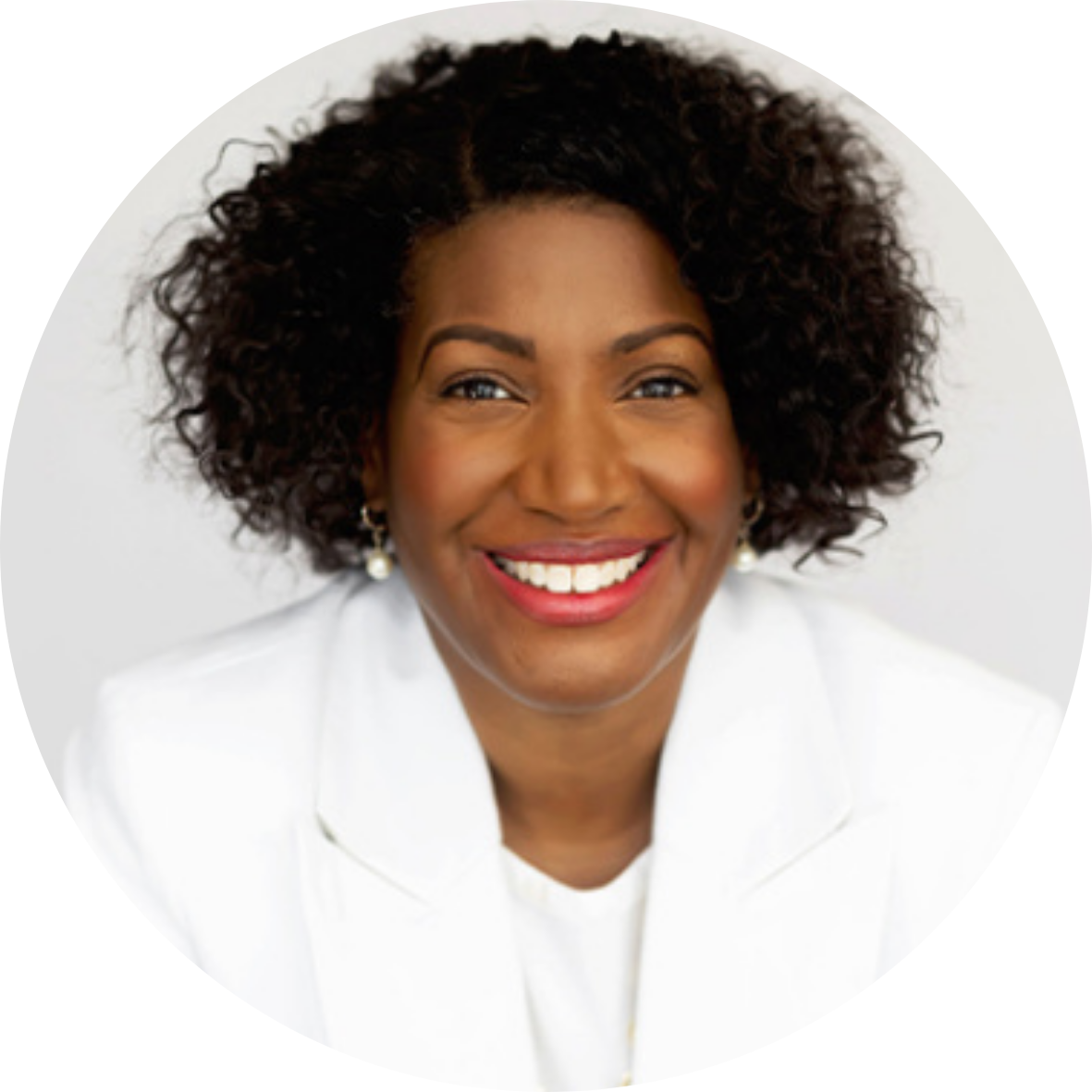
Celeste Watkins-Hayes is the Joan and Sanford Weill Dean at the University of Michigan Gerald R. Ford School of Public Policy and serves on the Wallace House advisory board.
Last spring, as with every spring before it, my academic year culminated in commencement activities. Yet this year felt distinctly different. The familiar feeling of joy and pride was present, but it was accompanied by a palpable anxiety among our graduates, many confronting the uncertainties of a rapidly shifting policy landscape and a volatile labor market. Their questions leading up to graduation — about the role of public service, the diminished value of evidence-based policy solutions, and the seemingly intractable social problems they would face — were immediate and pressing.
In my remarks, echoed by Michigan Senator Elissa Slotkin in her keynote address, I emphasized the enduring value of resilience: the ability to bend without breaking, to navigate uncertainty with courage, and to approach the future with deliberate preparation and commitment to public service. The moment reminded me that resilience is essential not only for individuals stepping into their careers but also for the institutions that cultivate and sustain them.
Resilience has long been an animating force among colleges and universities, shaping not only their survival but their ability to thrive in the face of precarity. Many schools have historically navigated scarcity, systemic inequities across institutions and shifting societal expectations with creativity, determination and strategic foresight. Today, the landscape of higher education challenges even the most established and well-resourced universities. Recent federal lawsuits against Ivy League institutions, alongside sweeping cuts to critical research funding — including programs supporting lifesaving innovations — highlight the precarity of academic enterprises once assumed to be impervious.
Broadly, resilience can be understood in two interrelated ways. The first is toughness: the ability of groups or communities to cope with external stresses and disturbances (Neil, 2000), holding firm in the face of challenge. The second, drawn from material sciences, is elasticity: the capacity to absorb energy when deformed and release it upon unloading, emphasizing adaptability — the ability to bend and pivot when circumstances demand, returning stronger or in a reimagined form (Campbell, 2008).
While these qualities may seem paradoxical — holding steady versus bending — they are mutually reinforcing, together enabling universities to navigate financial uncertainty and shifting political demands.
Resilient institutions pivot strategically, aligning initiatives with mission-critical objectives and focusing energy on what is foundational rather than desirable. Teaching remains a core purpose; providing access to students, particularly those from underserved backgrounds, is one of the most profound ways universities exercise public impact. At the same time, universities are bastions of innovation, anticipating societal needs while stewarding finite resources. Leaders must act as strategic investors and careful fiscal managers, making wise cuts while also making bold investments that seed the future of scholarship, public service and social transformation. This dual role requires discernment, courage and a willingness to embrace uncertainty.
It also demands cultural and moral commitment. When this academic year draws to a close, I anticipate offering similar reflections to our 2026 graduates — reminding them, as I did with our 2025 graduates, of the enduring importance of resilience, courage and purpose. In the meantime, I draw hope and energy from my students and colleagues, just as I have each fall, finding inspiration in their curiosity, dedication and unwavering commitment to the public good. Indeed, it is through this ongoing exchange — between the hopes and ambitions our students carry and the guidance and support of our institutions — that the future of higher education, and of public service, is continually forged.
This article is part of Rising to Meet the Moment, a series from the Fall 2025 issue of the Wallace House Journal, featuring reflections from Knight-Wallace alumni, Wallace House board members and the Livingston Awards community on meeting today’s challenges with focus, resilience and resolve. Read more stories from our series:
Christopher Baxter, “Unexpected hope“
Lynette Clemetson, “Stepping up with focus and resolve“
Hayes Ferguson, “Nurturing innovation, adaptability and purpose“
Stephen Henderson, “Choosing civility“
Samantha Henry, “The future of our profession: student journalism“
Tracy Jan, “News deserts and fewer watchdogs“
Margaret Low, “Game Over? Not a chance“
Peggy Lowe, “Defunded, but not defeated“
Amy Maestas, “Building trust through community collaborations“
Kunal Majumder, “Defending the right to report“
Seema Mehta, “Why we keep reporting“
Rachel Rohr, “Swift action for the hardest hit“
Gerard Ryle, “We will not retreat“
Laura Santhanam, “Preserving knowledge“
Mazin Sidahmed and Maria Arce, “Training newsrooms to serve immigrant communities“
Celeste Watkins-Hayes, “Bending without breaking: resilience in academia“
Thomas Zurbuchen, “Never let a good challenge go to waste“